




Where Words Work
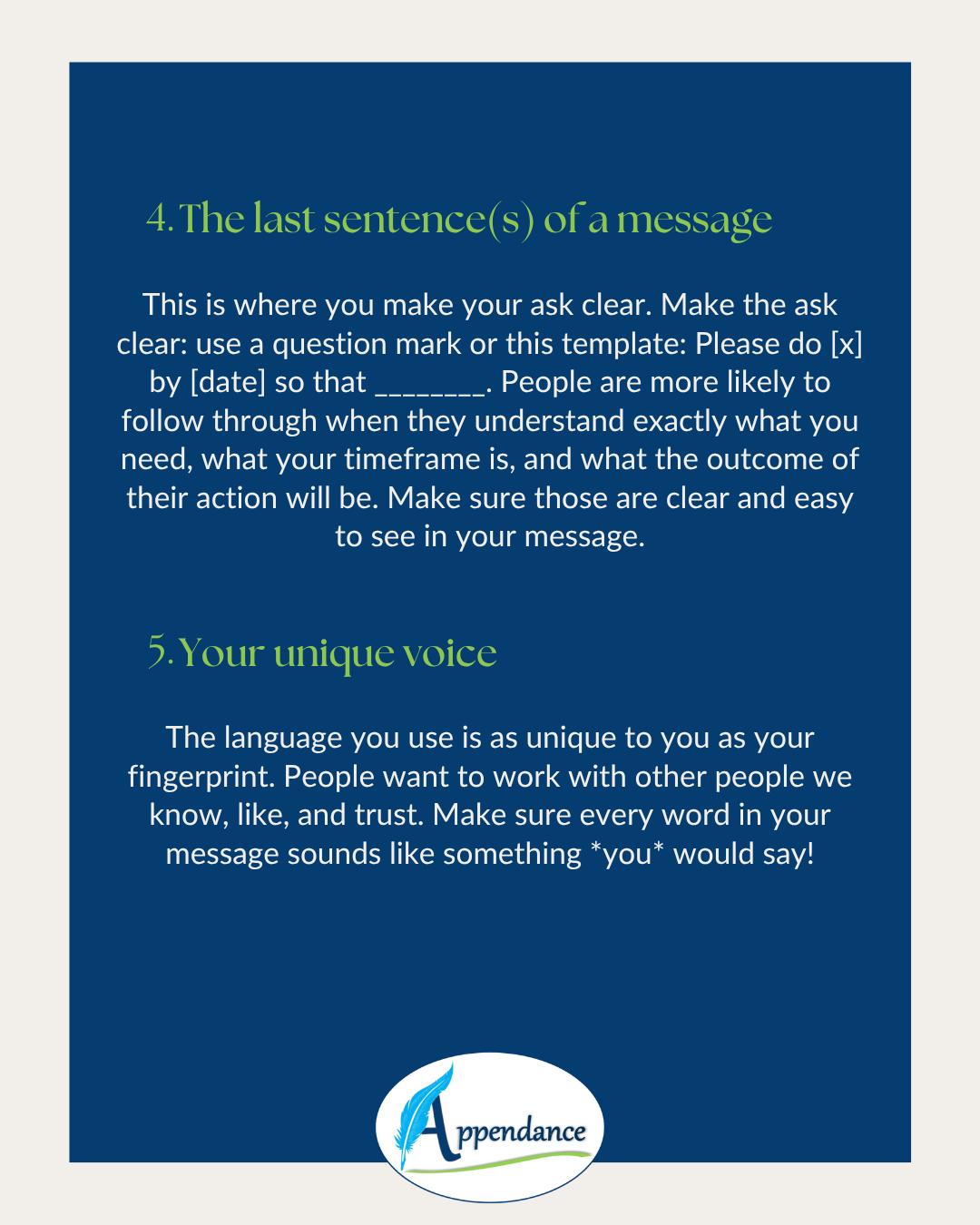
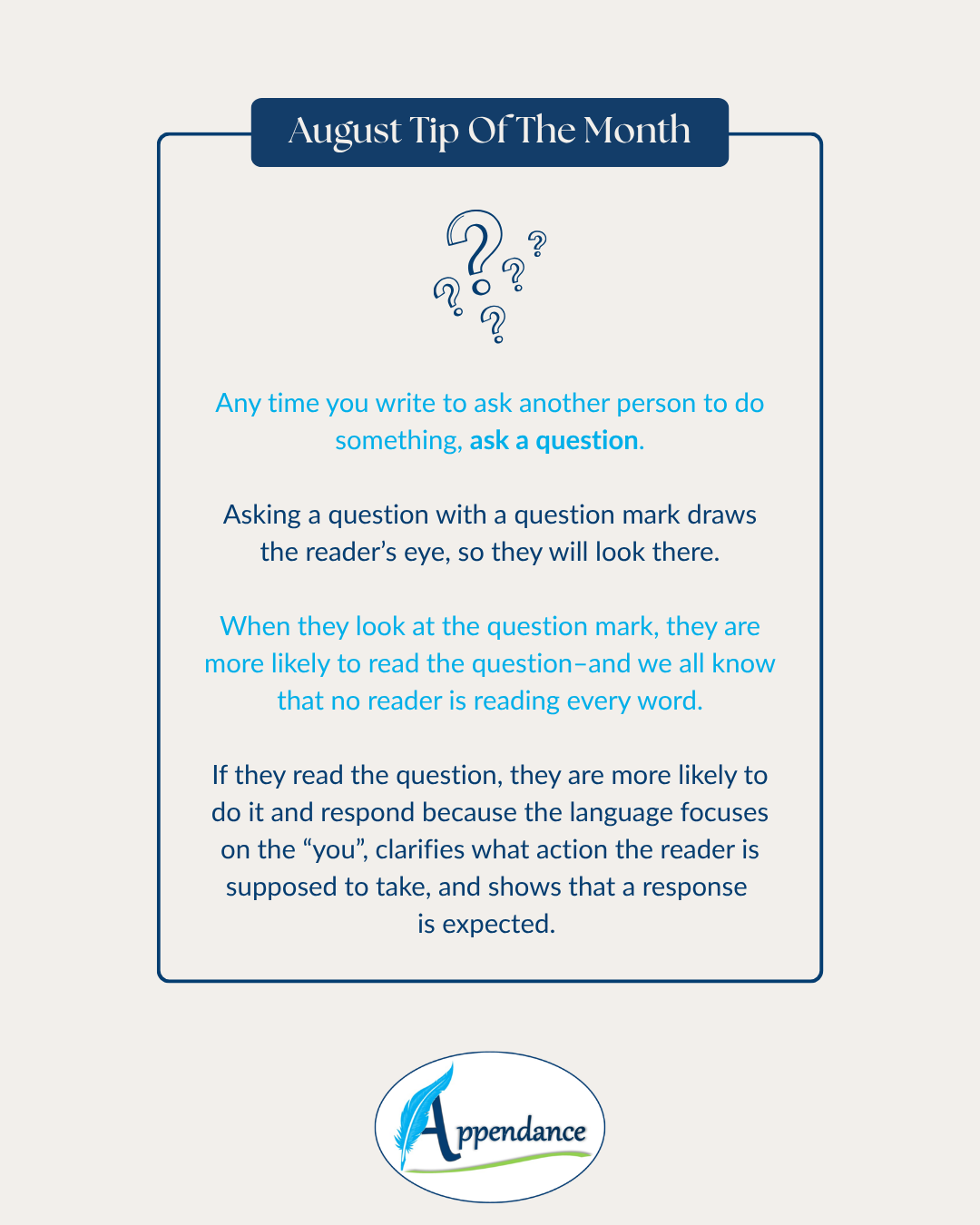
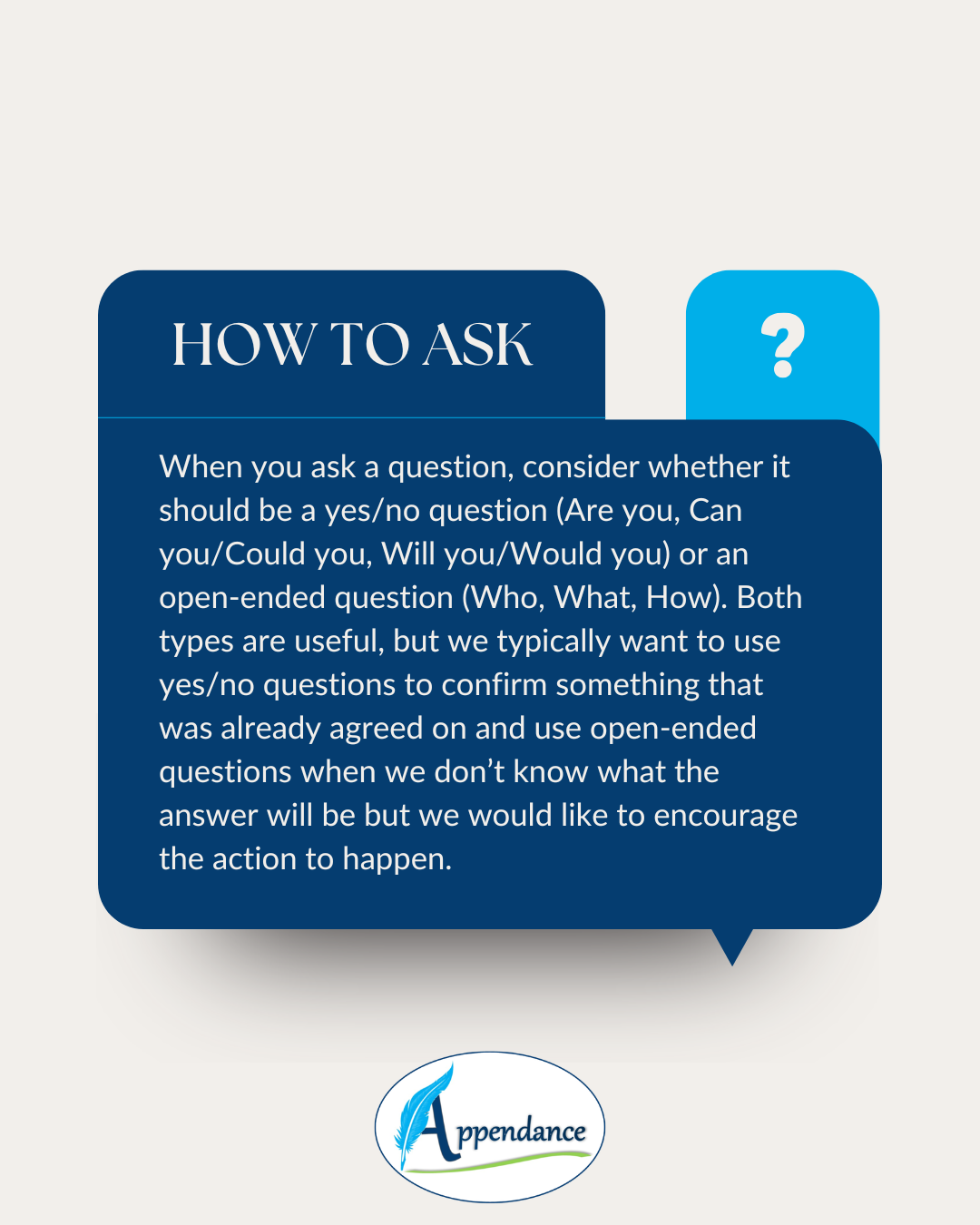
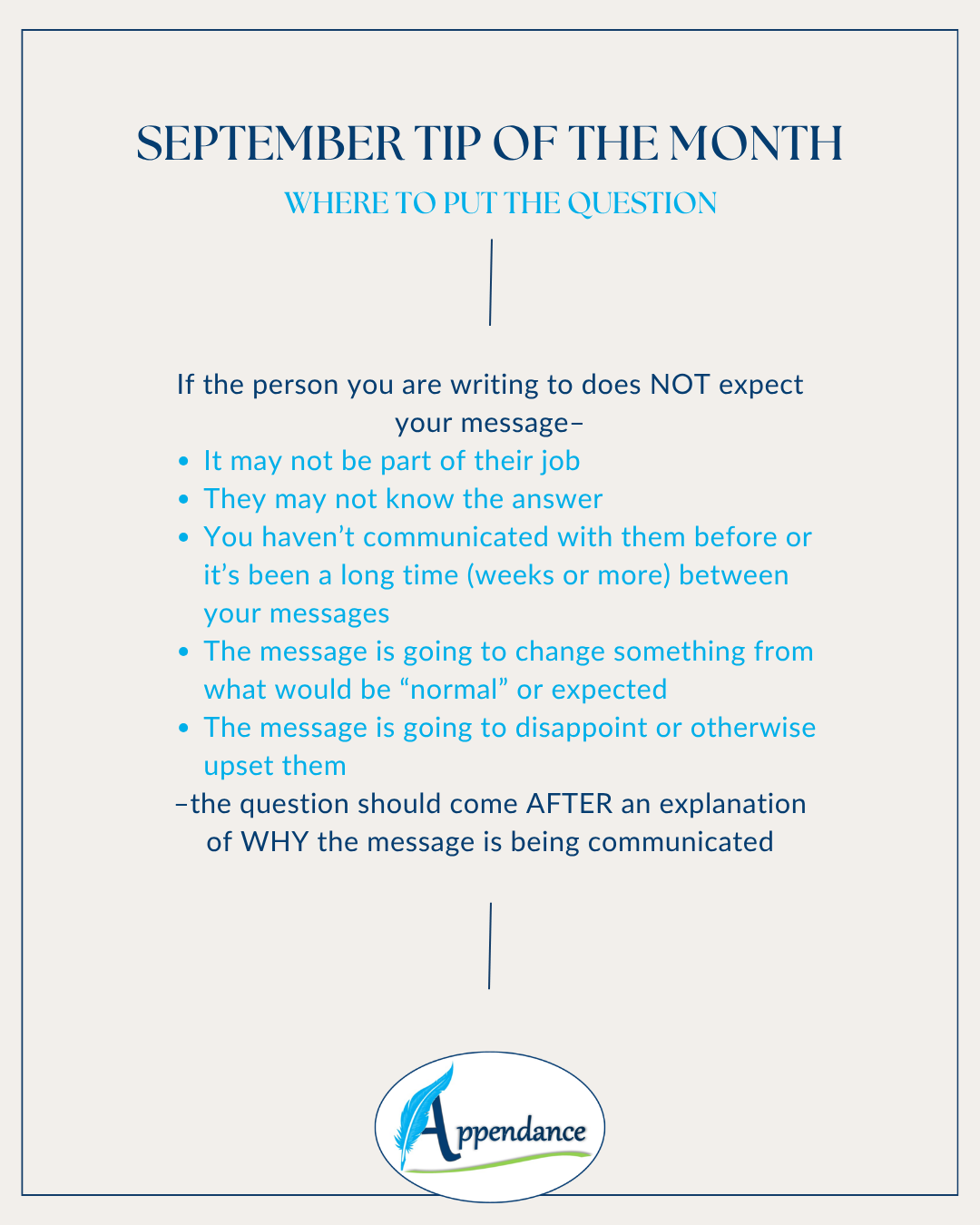
Asking questions is important in our writing at work. We are typically writing messages in order to get other people to do something. Whether it’s update a client’s file or sign a contract or schedule a meeting, there’s something that we want to happen in the real world as a result of our message.
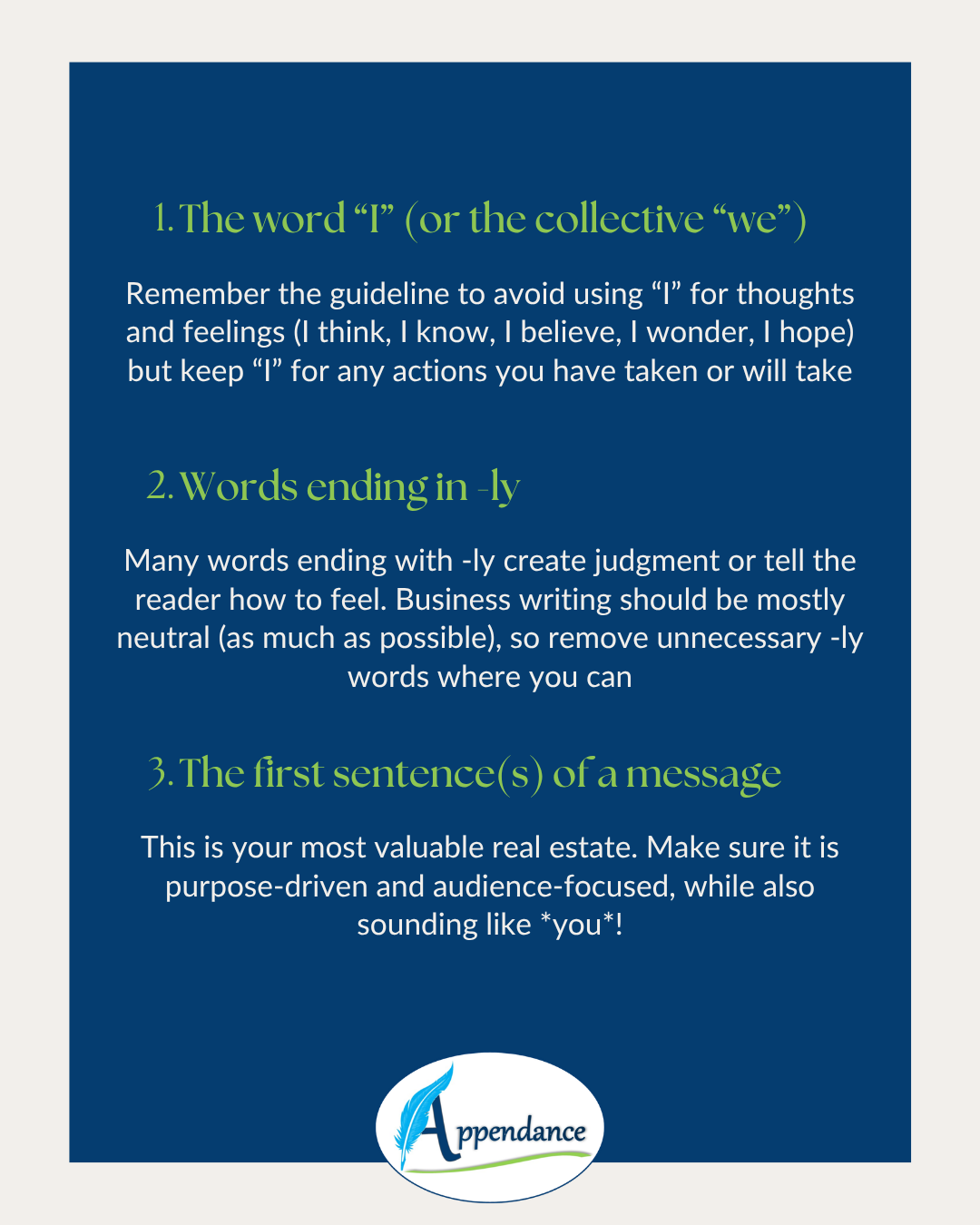
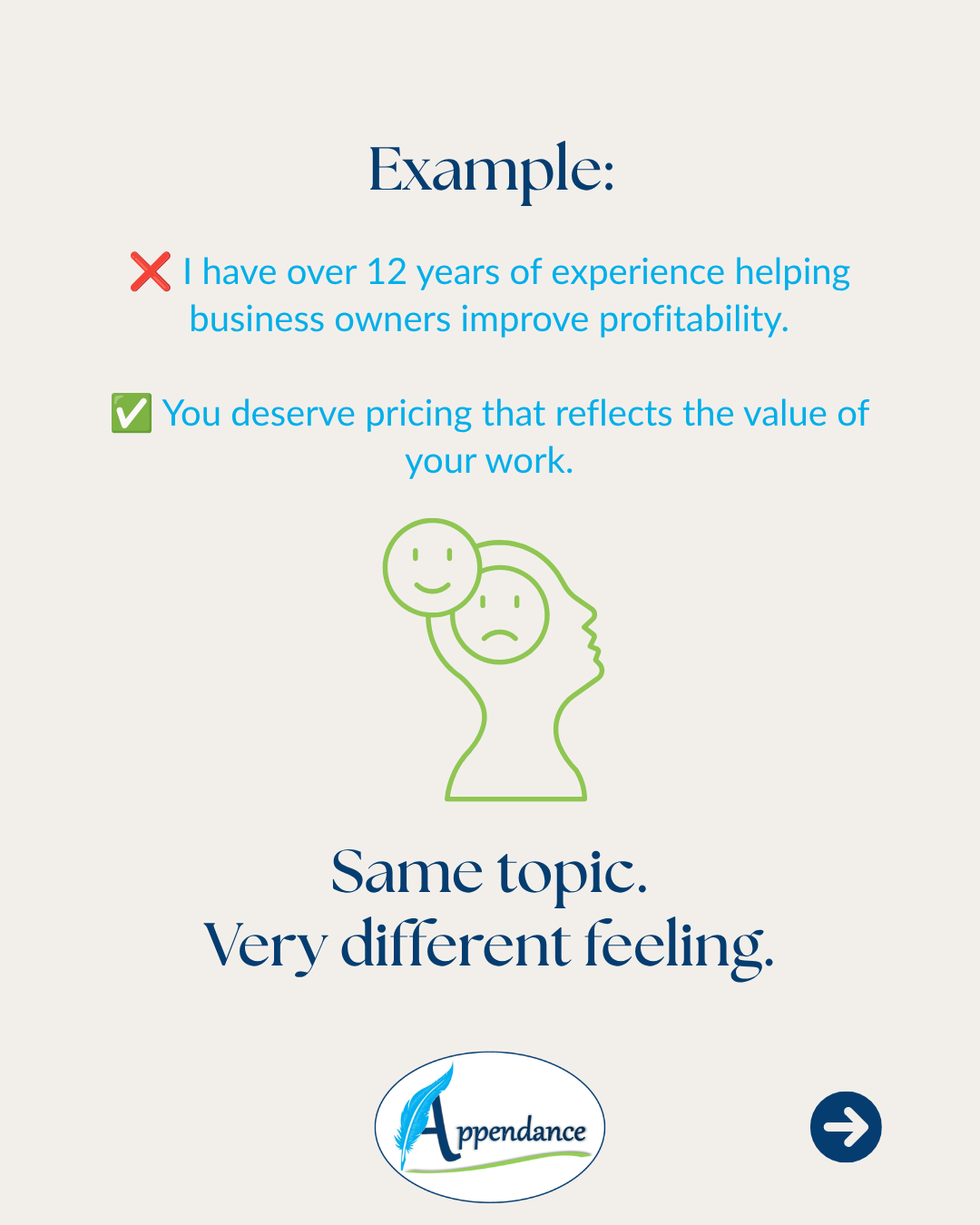
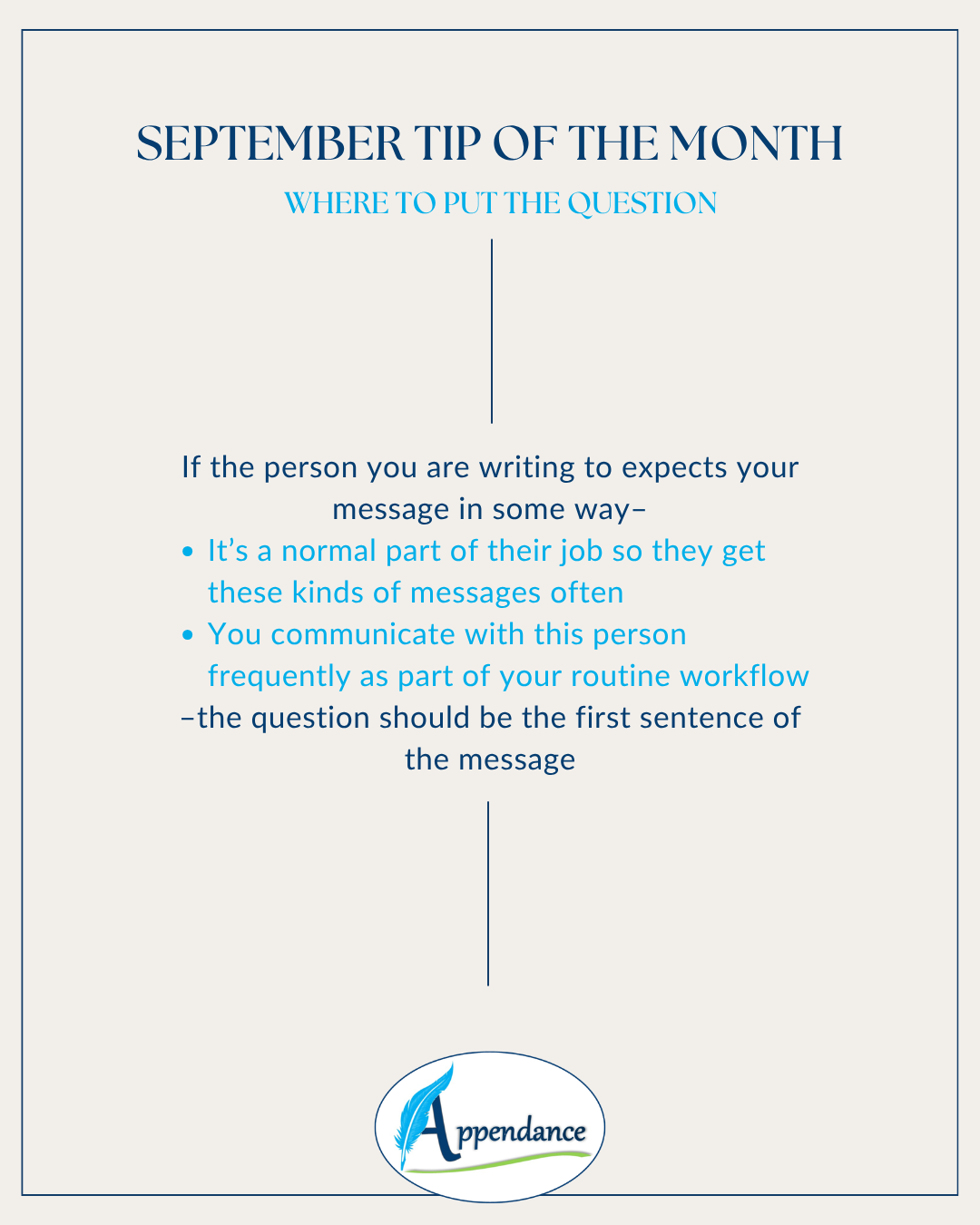
Often, we write messages where the ask is framed as an I-statement:
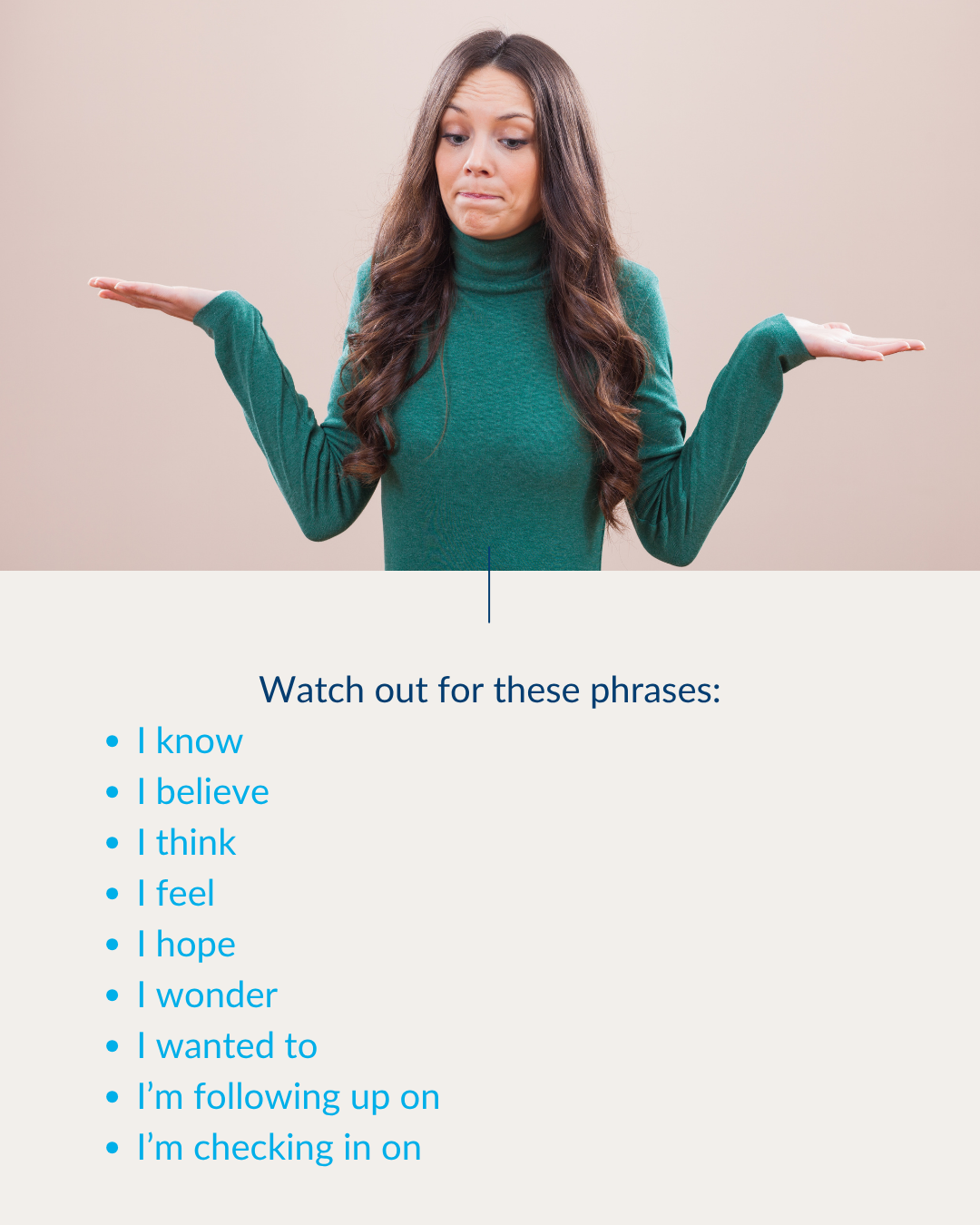
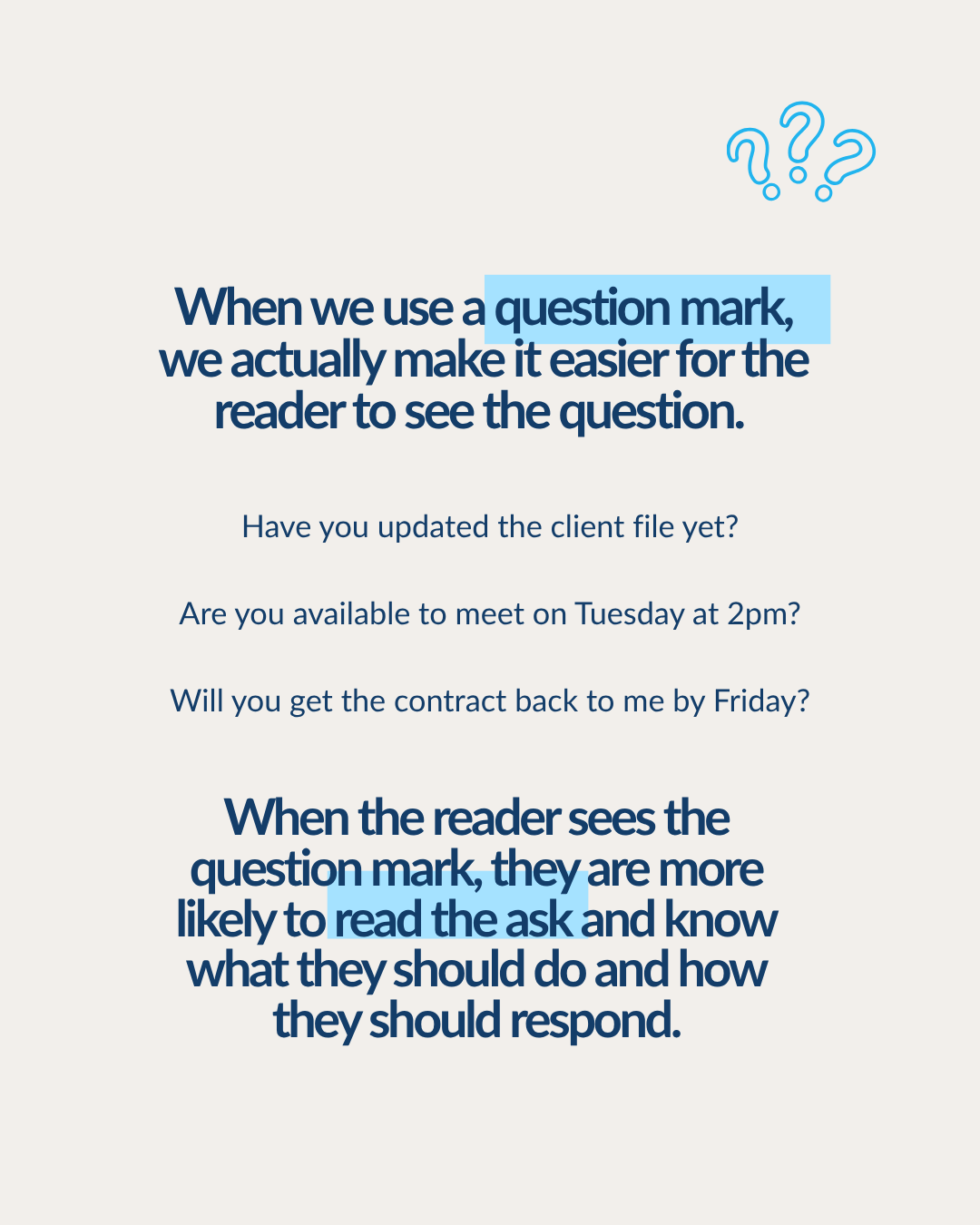
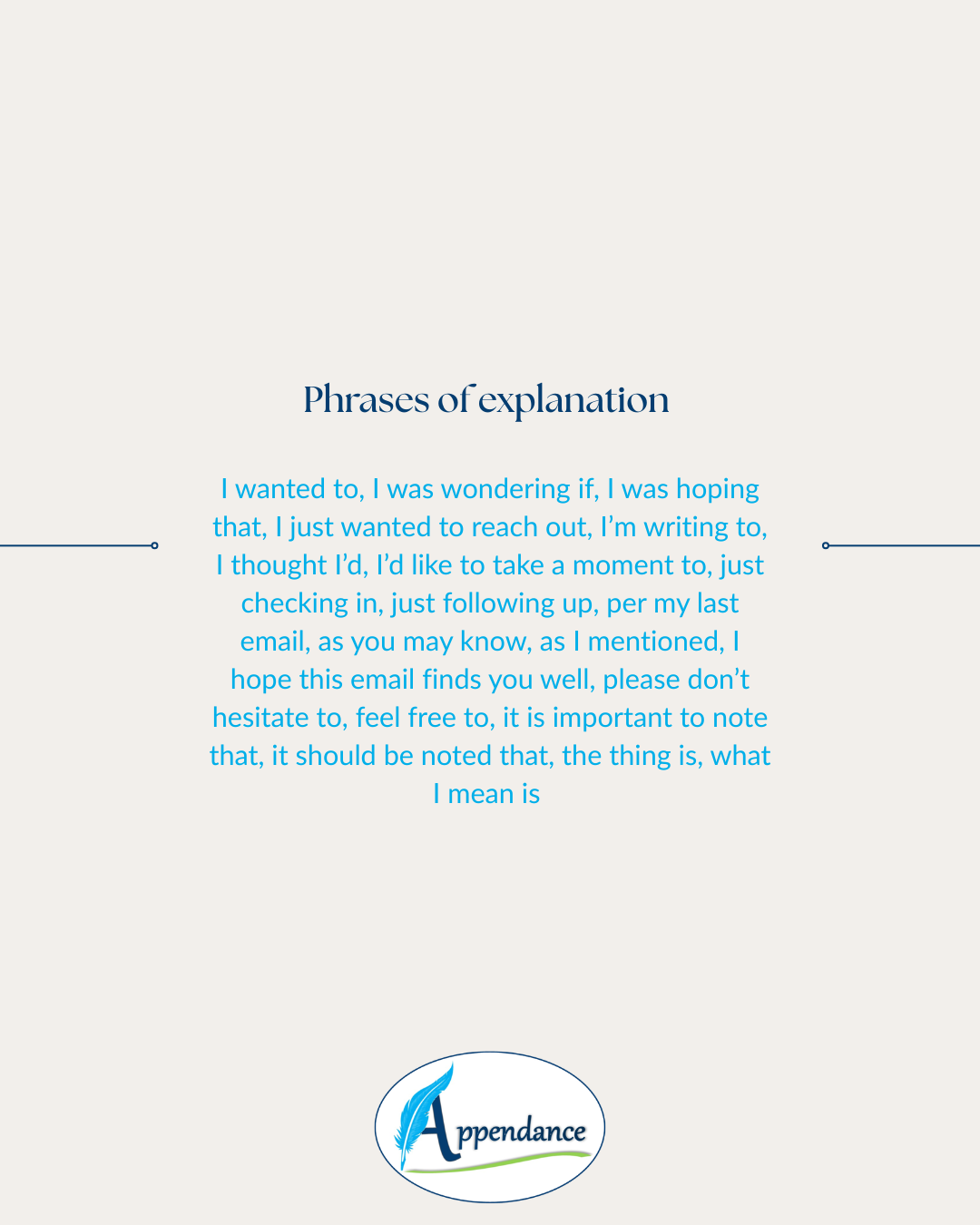
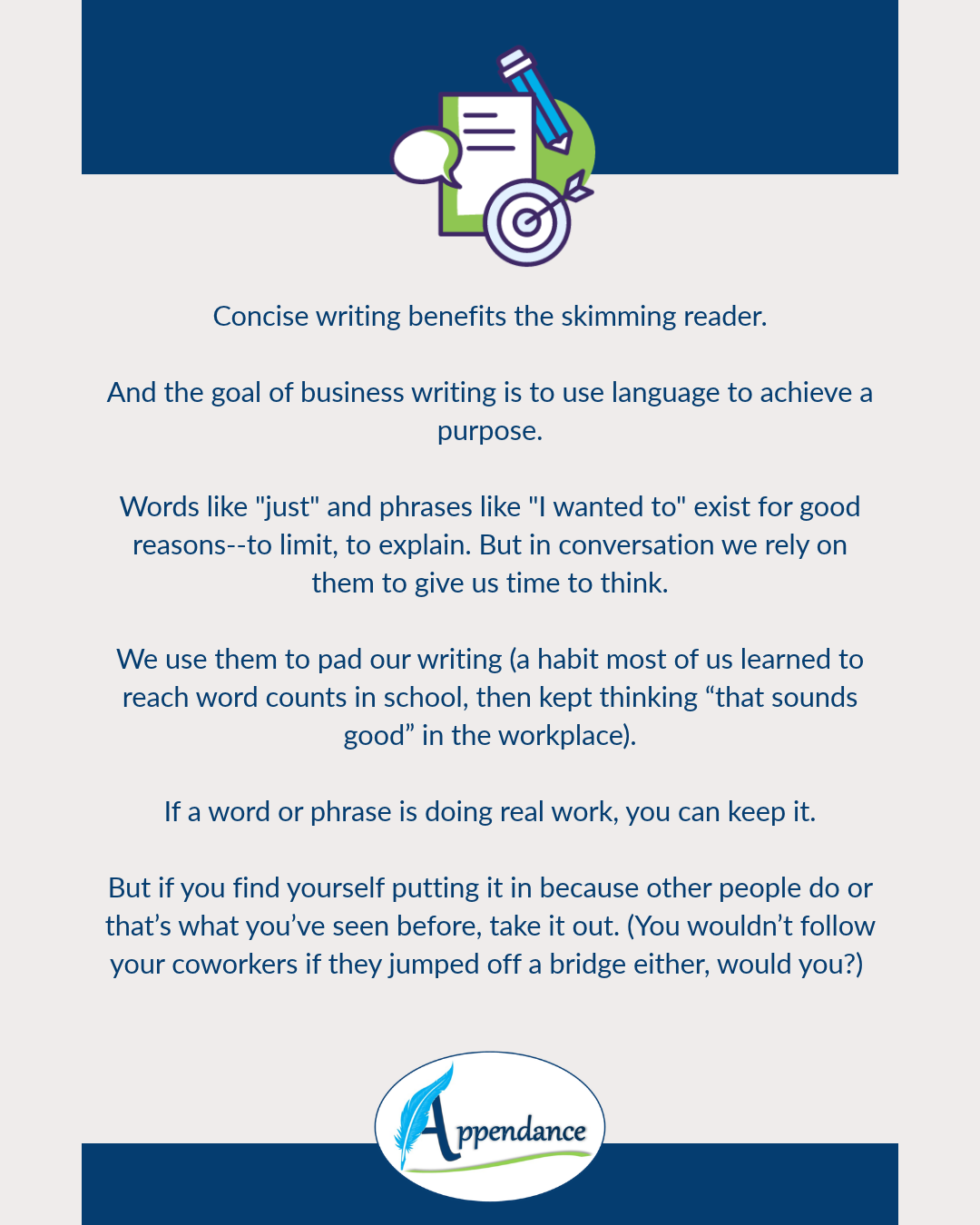
I was wondering if you had updated the client file yet.
I was checking to see if we could meet on Tuesday at 2pm.
I was hoping you’d get that contract back to me by Friday.
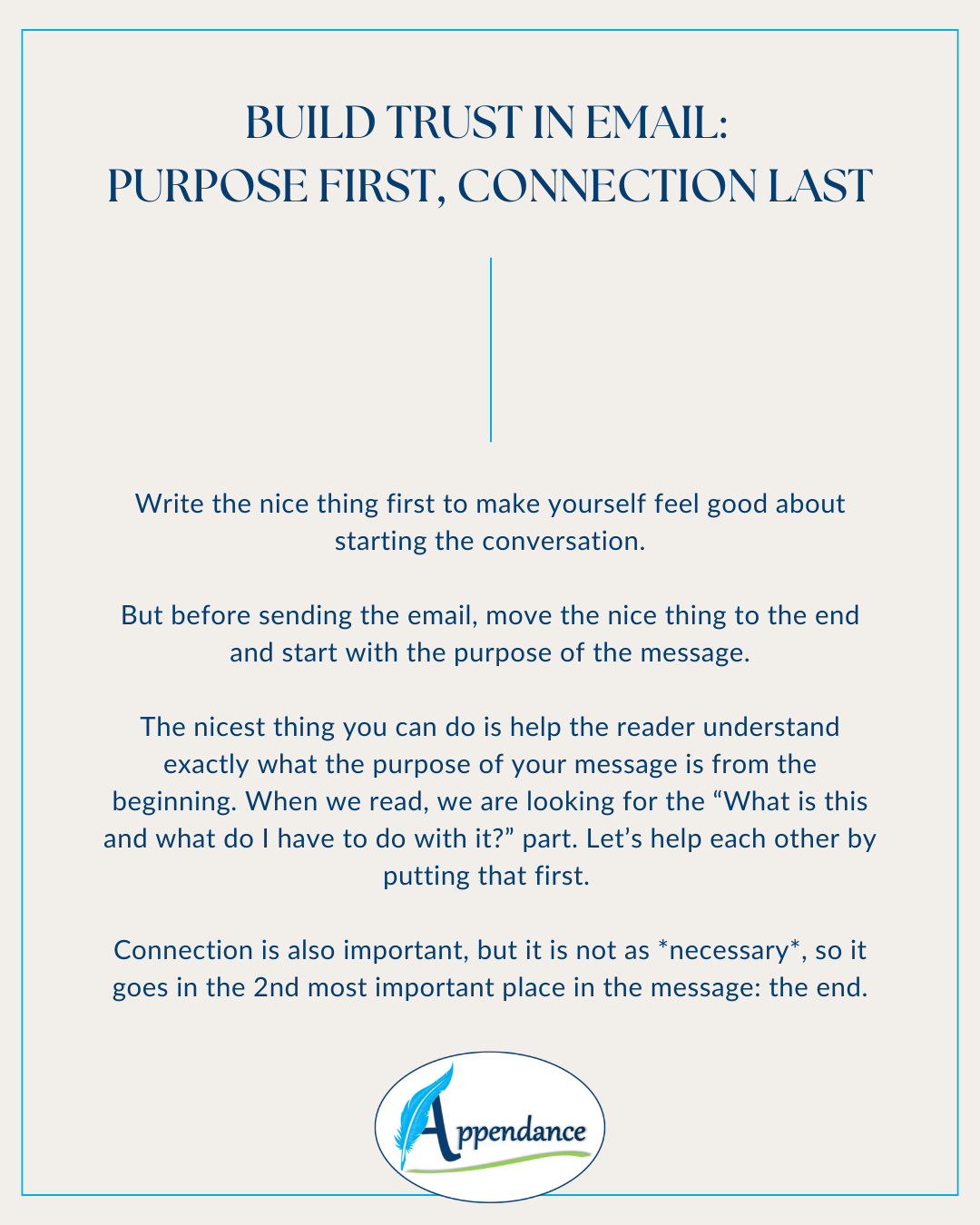
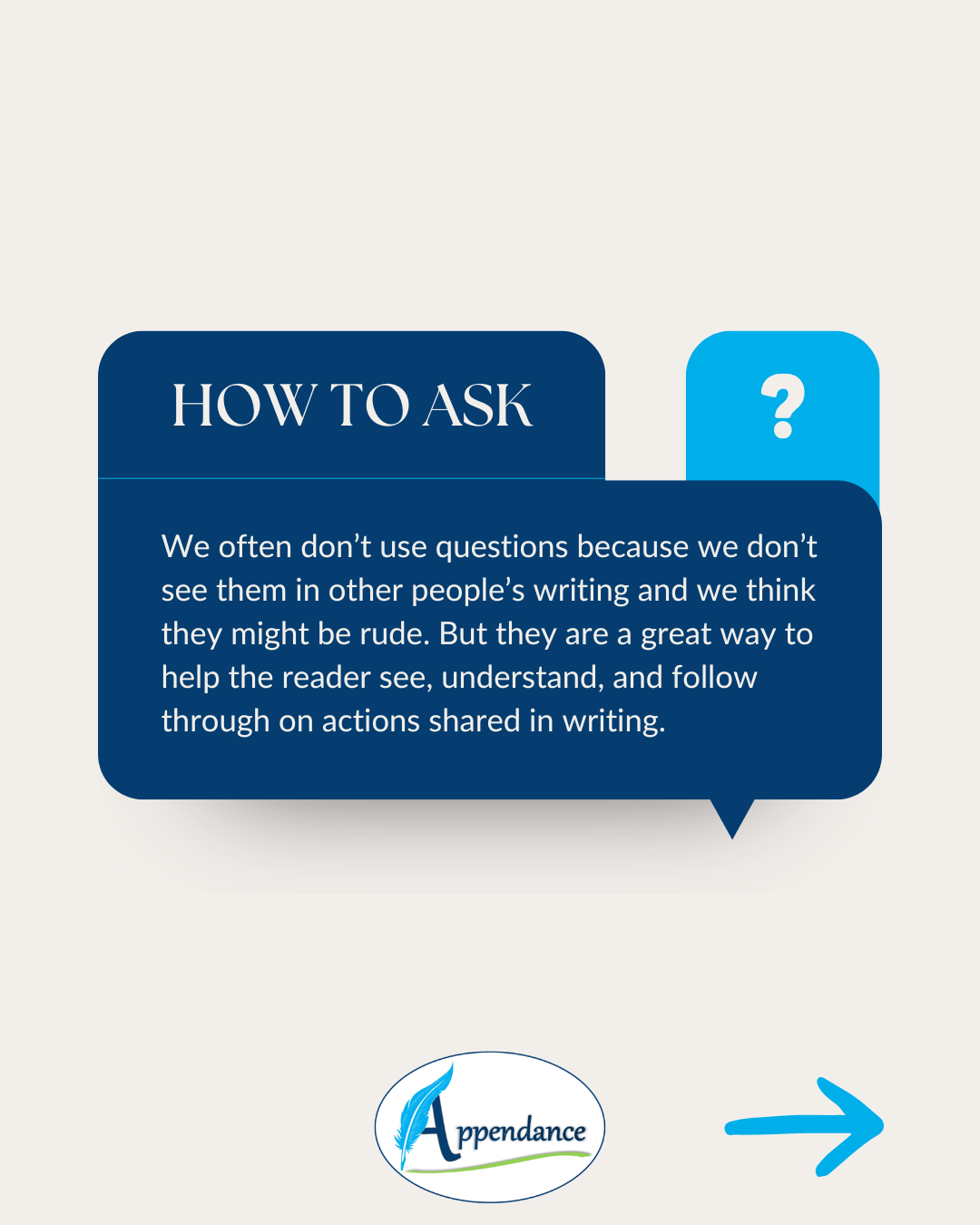
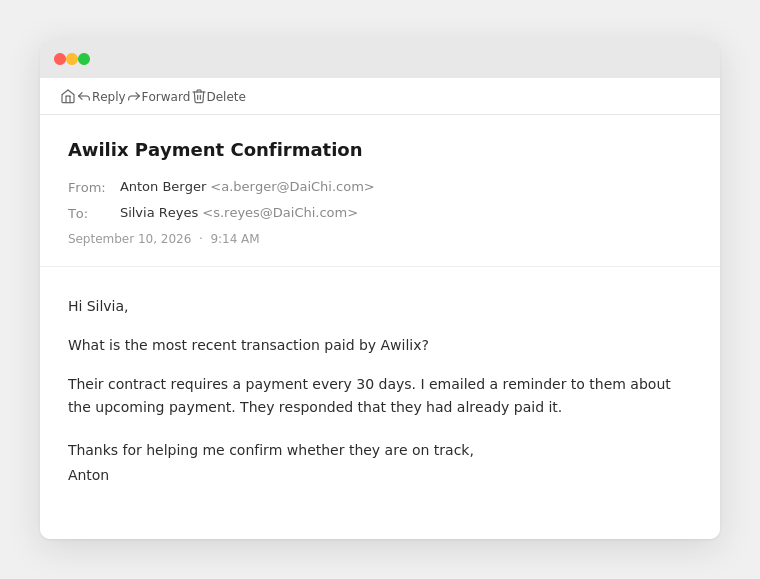
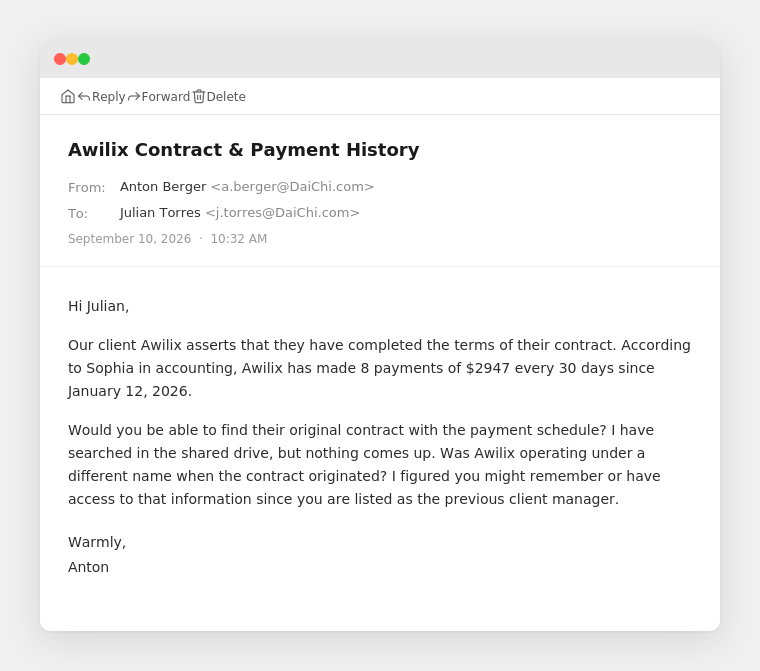
All of those sentences have an ask, but the ask is hard to see if it were inside of a bigger message and it’s framed from the “I” point of view, so the reader is more likely to skim it.
Right now, AI writing assistance is popping up in everything we use. Do you want help writing that email? That text message? Taking notes in that meeting? Writing that insta post?
Personally, I reject almost all of it. Because I WILL LET AI KNOW WHEN I NEED IT. I don’t want it to prompt me.
But I know plenty of people are thinking, “Well, as long as it offered, I’d rather let it than do it myself.” And that’s valid too.
The difficulty is that AI looks like it can do a lot for us, but that impression of easy confidence is part of its programming. I’ve had AI offer to make me a powerpoint and then say, “Oh, sorry, looks like I can’t do that.” Well then why did you offer?
AI offers because it doesn’t know its limits. It doesn’t know what its capable of. In fact, it doesn’t know anything.
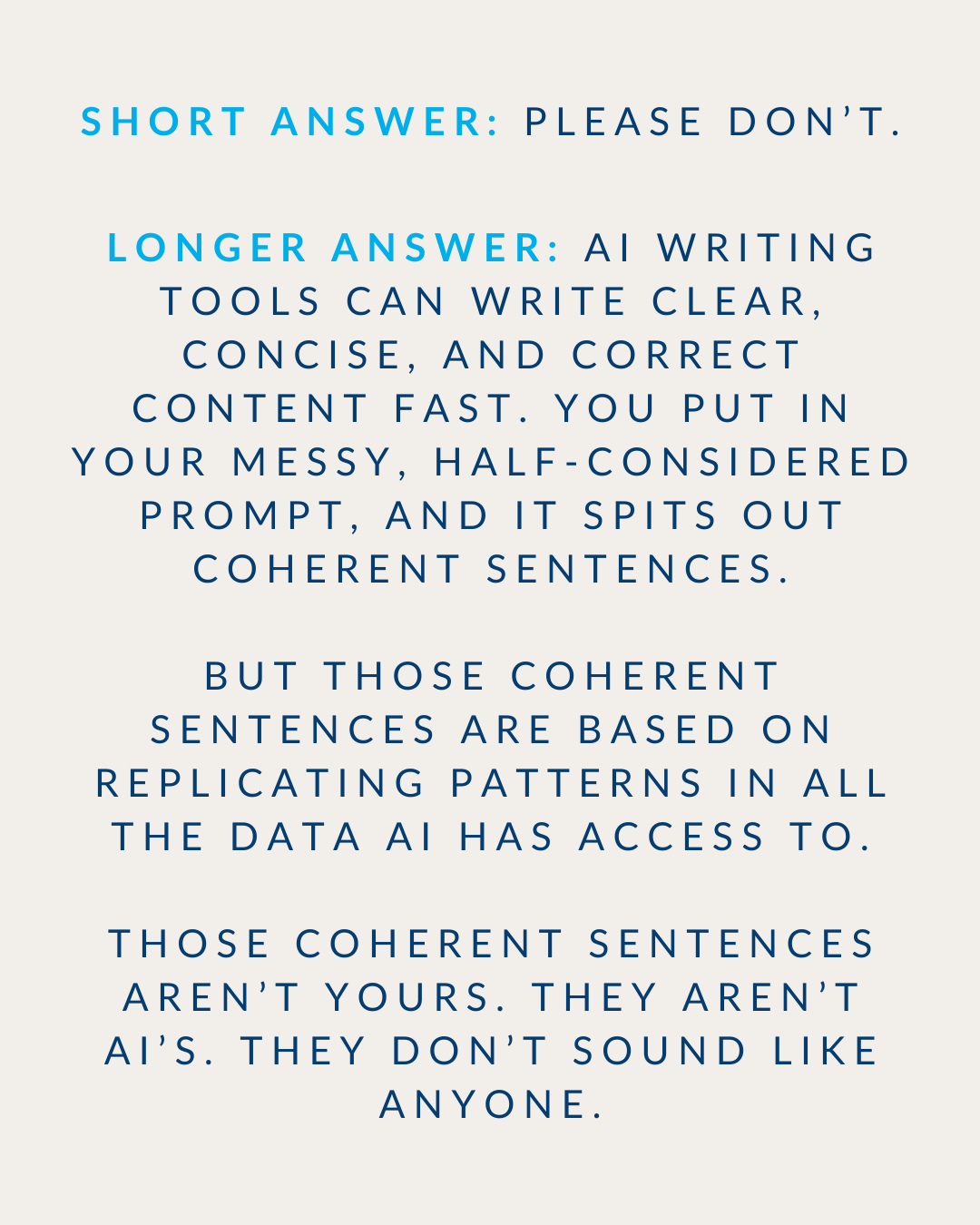
That’s not how it works. It doesn’t read. It doesn’t write. It doesn’t know or think or consider or feel or value or determine. AI doesn’t think.
It predicts.